Kenya Day 8 & 9: Friday and Saturday | Final Rounds and the Road Forward
Friday and Saturday: Final Rounds and the Road Forward
Nyamira and Maasai Mara
Friday morning began with a final breakfast together at the Helsinki Hotel. By then, the week had taken shape in all its complexity. Around the table, team members spoke openly—expressing gratitude for the opportunity to be part of something that had required not only skill and preparation, but flexibility, patience, and heart. This inaugural outreach to Kenya had been years in the making, driven by a vision Billy T. had carried long before the team ever set foot in Nyamira. What unfolded over the week was both meaningful and humbling.
Many of the patients we treated had needed medical intervention for years. Some had been waiting quietly, others had fallen entirely out of reach of care due to cost, distance, or lack of resources. We were able to help many—but not all. That reality weighed heavily. There were patients who appeared to be good surgical candidates on paper, only for serious risks to emerge once they were fully evaluated. In those moments, the hardest decision was often restraint. Offering hope, only to delay or deny surgery in the interest of safety, was never easy. It felt especially cruel when we knew how long some patients had already waited.
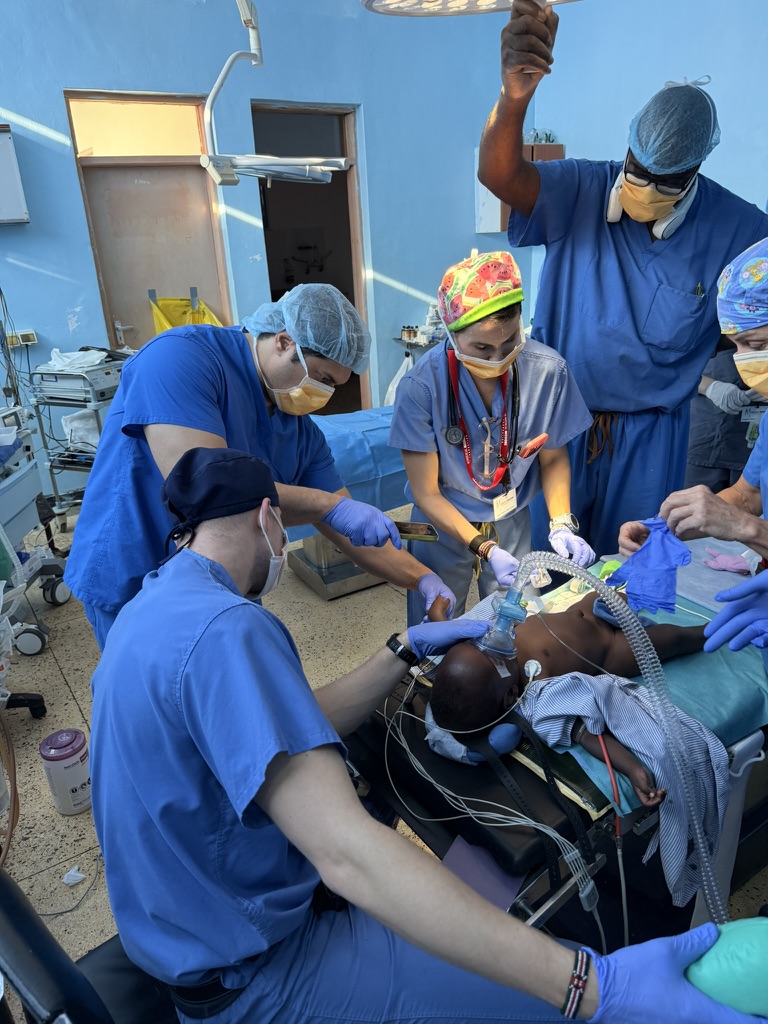
The week was also marked by problem-solving at every level. Equipment failed. Supplies ran thin. The air conditioning struggled to keep pace with the activity in the surgical theatre, leaving surgeons operating in rooms approaching 90 degrees. Yet again and again, our team worked side by side with the hospital staff—finding solutions, adapting techniques, and ensuring care continued safely. By the end of the mission, 61 patients had passed through the operating rooms. Procedures included hysterectomies, hernia repairs, urologic surgeries, thyroidectomies, mass removals, pediatric cases, and more—each requiring coordination, trust, and shared responsibility between teams.

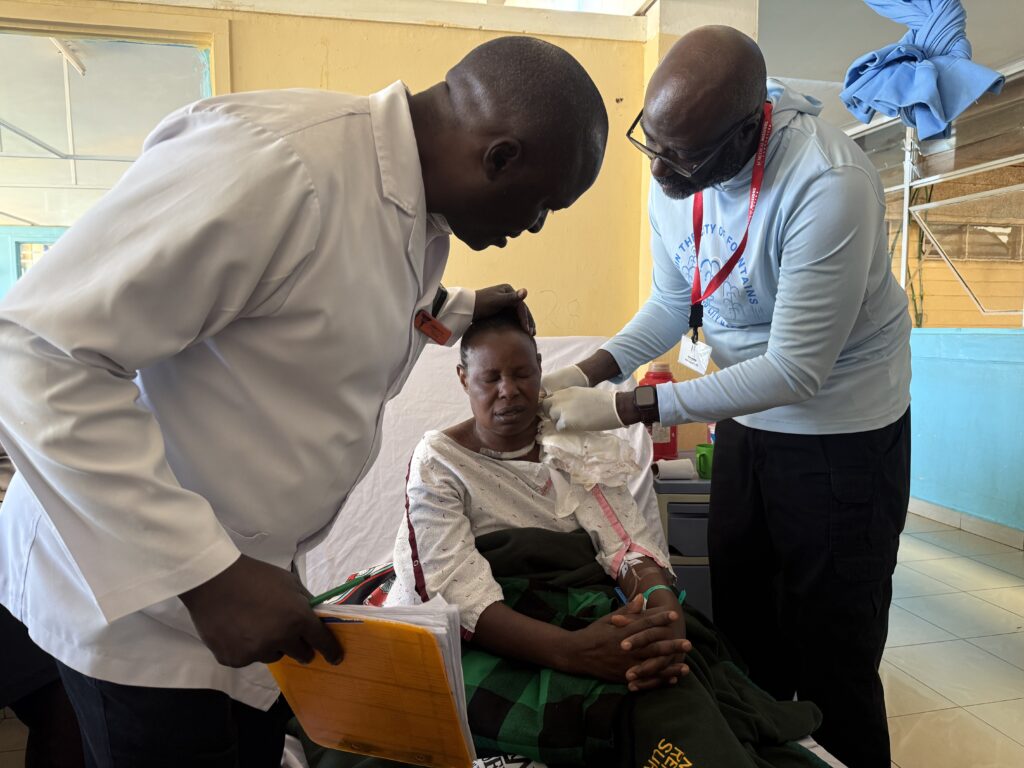
After breakfast, we returned to the hospital for final rounds. In the men’s surgical ward, Dr. Hadley Wyre and Chris visited Evans, less than 24 hours after his urethroplasty. Evans was in good spirits, his brother Bernard standing nearby, smiling. The surgery had offered Evans a chance to reclaim daily life after years of limitation, and seeing him upright and recovering well brought a sense of quiet closure to a difficult case. Nearby, Kaley, our SRNA, greeted him warmly—one last check-in before departure.


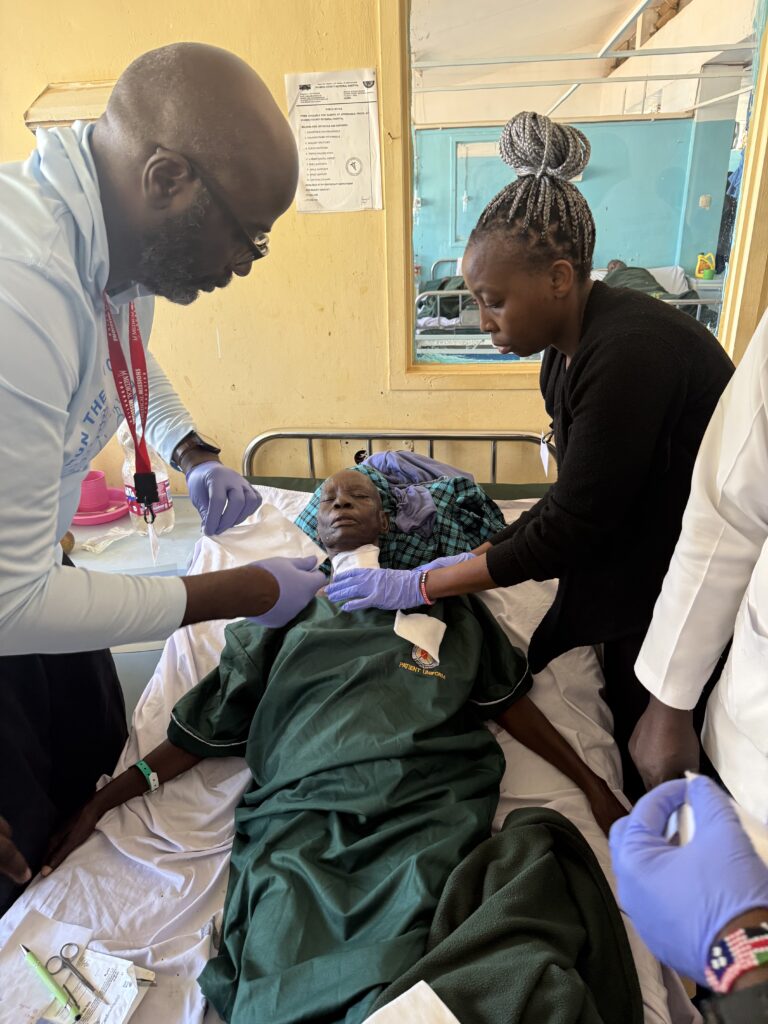
Elsewhere on the ward, Dr. Stan Augustin removed bandages and drains from patients treated earlier in the week. Ursula, recovering from a thyroidectomy, remained steady even as the drain was manipulated—an uncomfortable but necessary step in healing. Moments later, Dr. Augustin examined Nyaboke, 88, whose incision from goiter surgery was healing well. These brief bedside encounters reflected the cumulative effort of the week: careful surgery, attentive follow-up, and respect for the patients who had trusted us with their care.
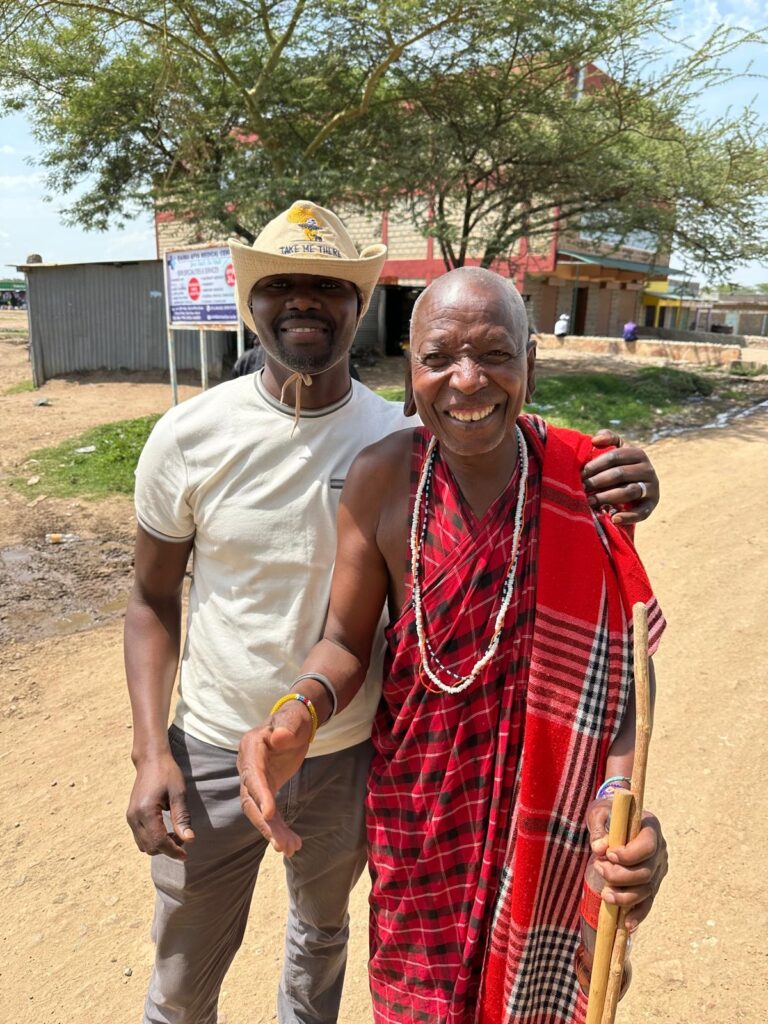
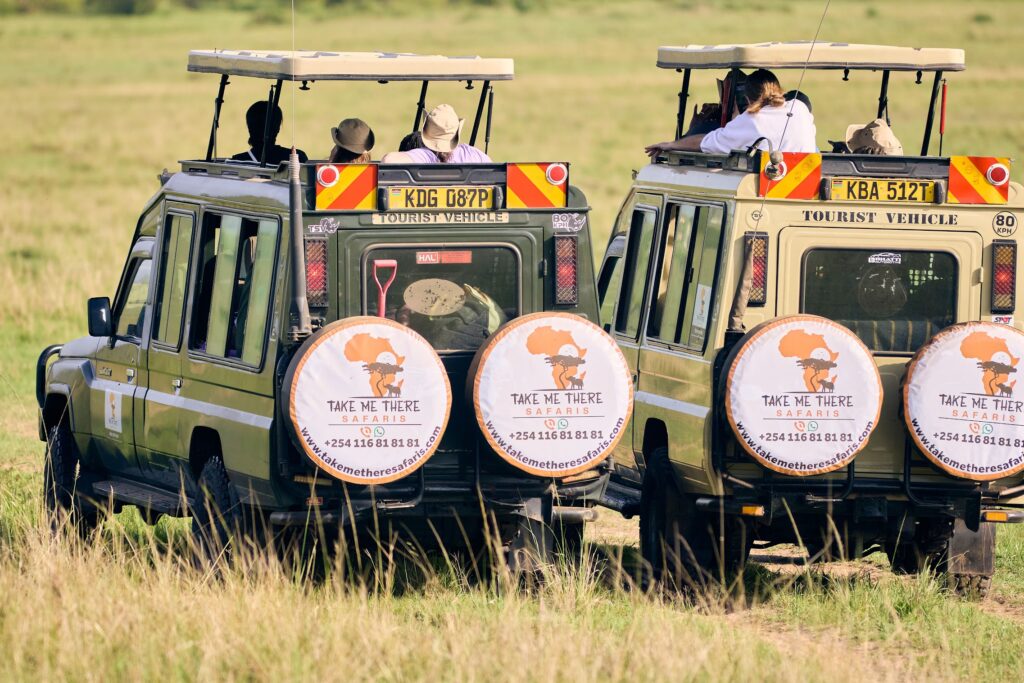
By mid-afternoon, the mission portion of the trip gave way to a long-anticipated transition. We loaded into khaki-colored Land Cruisers and headed toward Maasai Mara, the road carrying us out of the hospital and into a vastly different landscape. Rolling hills gave way to open plains. Along the way, children in school uniforms played near fence lines, cattle grazed close to the road, and Maasai herders moved deliberately across the land, draped in vibrant fabric—symbolic not only of tradition, but of status and identity.
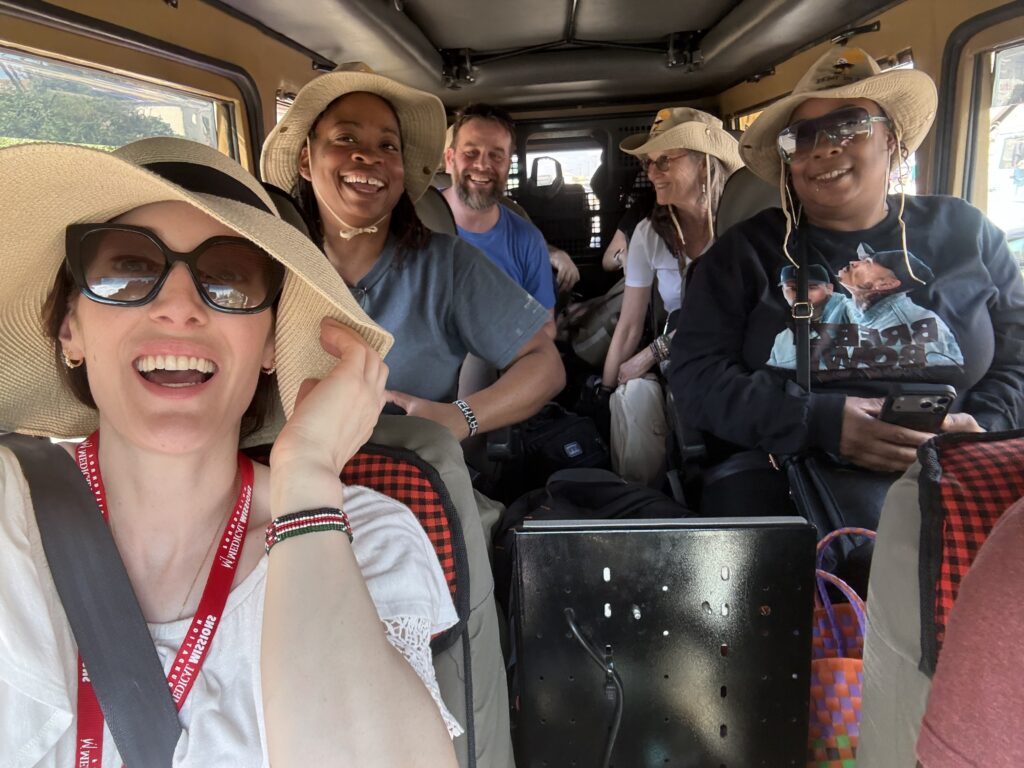


As dust rose behind us, some Maasai covered their faces with scarves. Green pastures alternated with littered shoulders and gutters—a reminder of the contrasts that define so much of the region. At our destination, we were welcomed with warmth: a bonfire, drinks, and conversation as the sun dipped low and the sky deepened with color. Later, a group of young Maasai men gathered near the fire and began to sing—voices layered and rhythmic, one deep bass anchoring the rest. Their chanting built into Adumu, the traditional jumping dance, marking the transition from boyhood to manhood. Their strength, precision, and joy were striking—each jump powerful, controlled, and impossibly high.


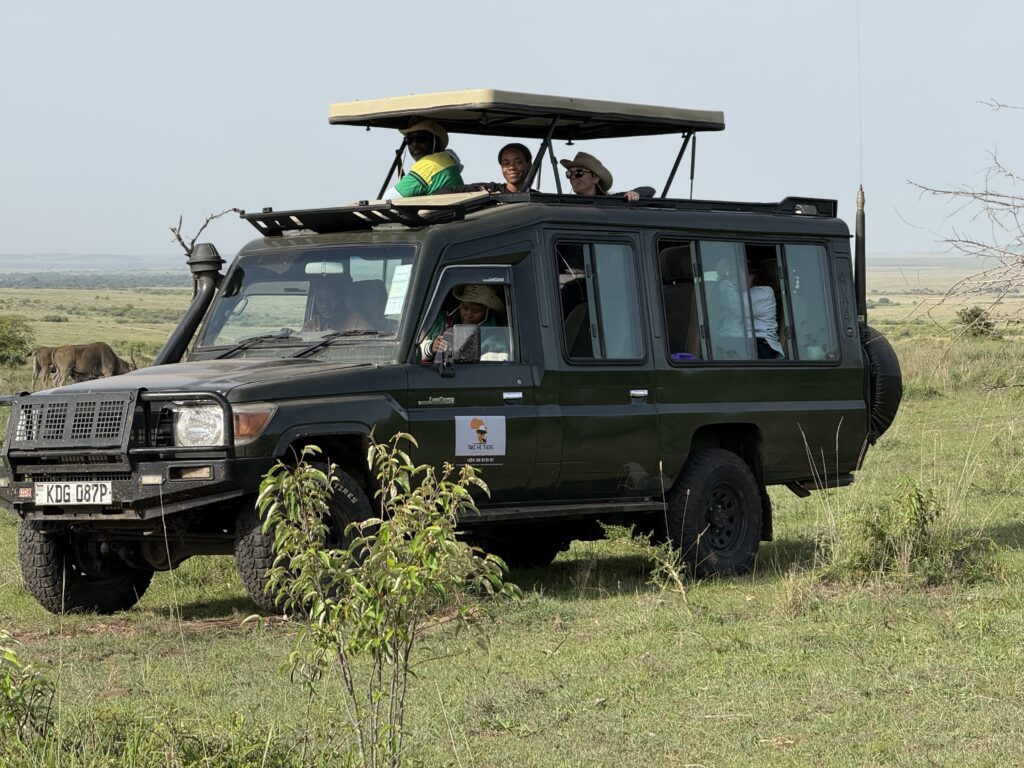
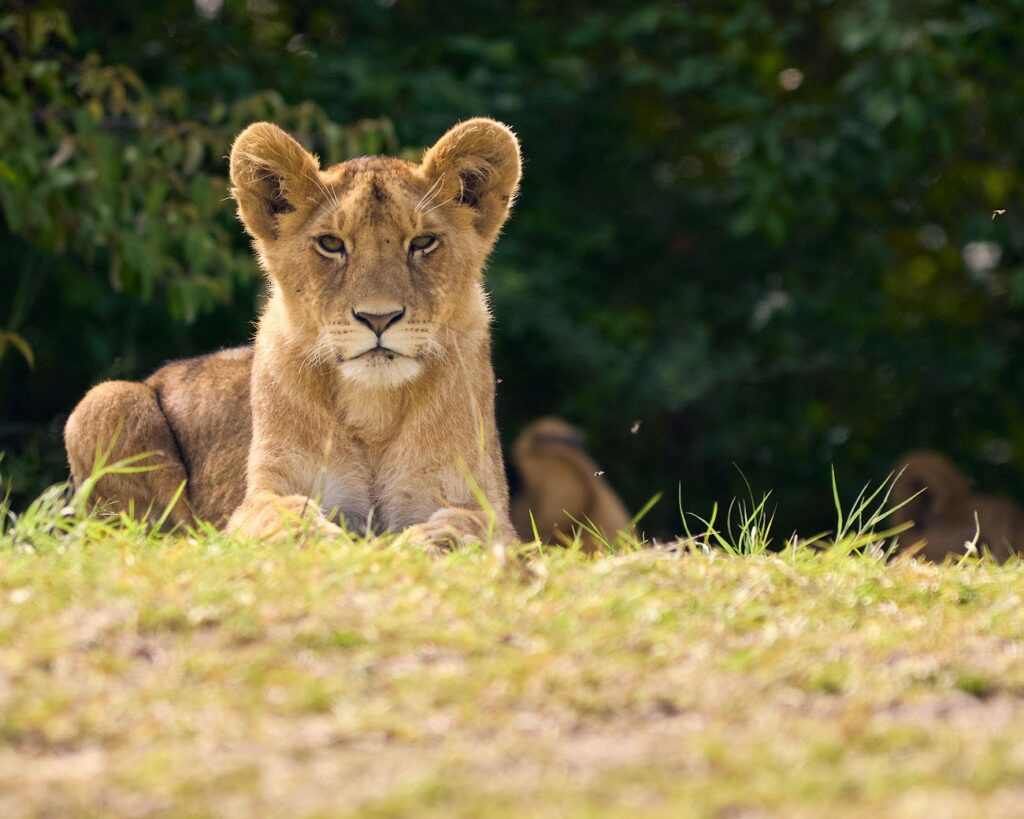
Saturday morning came early. We rose before the sun and returned to our Land Cruisers for a final journey—this time into the heart of the Mara. Shortly after entering the park, Dr. Augustin spotted the remains of a wildebeest, examining them with the curiosity only a surgeon might bring. Throughout the morning, our guides radioed one another as wildlife appeared: a pride of lions resting beneath trees, their young attempting to coax play from tired mothers; giraffes, zebras, wildebeest, gazelles, elephants, topi, impala, warthogs, mongooses, and baboons moving through the landscape.


By late morning, it was time to leave the park and head toward the airport. Saying goodbye was harder than expected. Over the course of the week, many of us had developed a deep attachment to Kenya—its people, its resilience, its complexity. Returning home meant rest, familiar comforts, and distance—but it also meant carrying these experiences forward.
The work here did not end with our departure. The work here did not end with our departure. It continues in the patients recovering, in the relationships built, and in the commitment to return better prepared. This mission was never about a single week—it was about building something that lasts.